
Banks have some of the strictest communication requirements of any industry — every message either protects an account or risks becoming the next phishing template a fraudster copies. Increasingly, the answer isn't picking one channel, but using OTP SMS and WhatsApp together, each covering what the other doesn't.
Why One Channel Isn't Enough for Banking
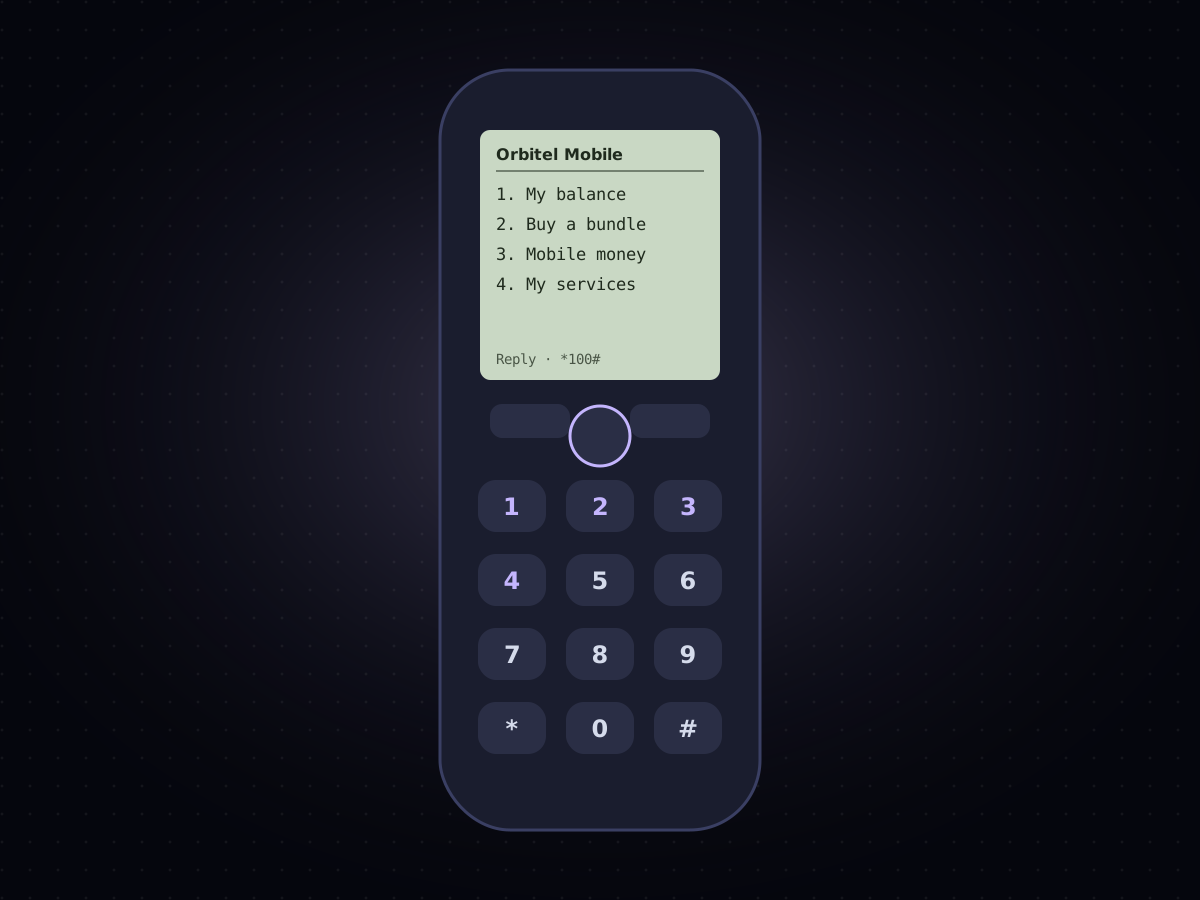
OTP SMS remains the backbone of transaction verification precisely because it works on every phone, requires no app, and delivers a code in seconds. But banking relationships involve more than verification codes — balance alerts, fraud warnings, support conversations, statement delivery — and cramming all of that into 160-character texts makes for a poor, fragmented customer experience.
Where Each Channel Does Its Job
- OTP SMS for transaction verification — login codes, payment confirmations, and account changes, where universal reach and speed matter more than anything else;
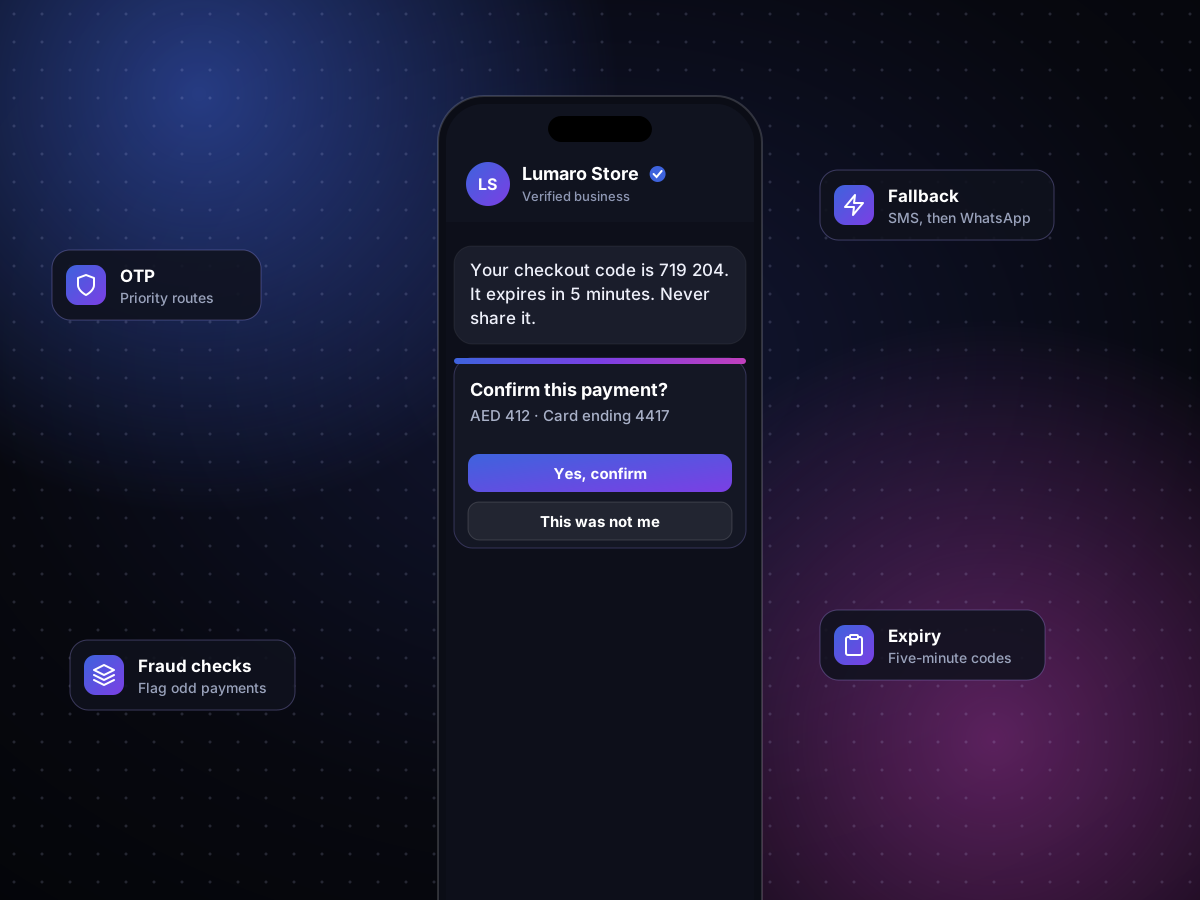
- WhatsApp for fraud alerts with context — a suspicious transaction alert that includes the merchant name, amount, and a one-tap "This wasn't me" button, rather than a bare text requiring a call to the fraud line;
- WhatsApp for statement and document delivery — sending a monthly statement or tax document securely as a file in an ongoing, verified conversation thread; and
- WhatsApp for support conversations — two-way conversation for account questions that don't require the security isolation of a transaction code.
The Security Logic Behind the Split
The reasoning isn't arbitrary: transaction-critical codes benefit from SMS's isolation — a code sent to a phone number tied to a specific SIM, separate from any app-based session. Everything else — the conversation, the context, the documents — benefits from WhatsApp's richer format and verified business branding, which also happens to make bank-impersonation phishing more visibly out of place by comparison, since customers get used to seeing the bank's verified profile consistently.
What This Looks Like in Practice
A customer might receive an OTP SMS to approve a large transfer, then a WhatsApp message minutes later with a receipt and a link to dispute it if needed — two channels, each doing the part it's actually good at, rather than forcing one channel to carry a job it wasn't built for. For the underlying technical comparison of these channels, see SMS vs. WhatsApp vs. RCS vs. Email.
Getting Started
Cyberscape supports both OTP SMS and WhatsApp Business API on a single platform, built for the reliability and security banking communication demands. Read the fundamentals in What Is the WhatsApp Business API?, or explore our approach for financial services on the Banking & Financial Services industry page.