SMS, WhatsApp, RCS, and email can all send the same message — but they're not interchangeable. Each one has a different reach, a different feel, and a different job it does best. Rather than picking one channel and forcing every message through it, most businesses get better results by matching the message to the channel. Here's how to think about it.
The Short Version
- SMS — universal reach, no app required, the most reliable channel for anything urgent or time-sensitive.
- WhatsApp — rich, two-way conversation, best where your customers already spend time chatting.
- RCS — SMS's rich, branded upgrade on supported Android devices, with automatic SMS fallback everywhere else.
- Email — the channel for longer-form, document-style, or less time-sensitive communication.
SMS: The Universal Fallback
SMS reaches literally any phone that can receive a text — no app, no internet connection, no account to set up. That universality is why it remains the backbone for one-time passwords, appointment reminders, and delivery alerts: whatever else fails, SMS tends to get through. The trade-off is the format itself — plain text, 160 characters a segment, no images. For the full picture on where SMS still wins, see our guide to mass SMS marketing.
WhatsApp: Where the Conversation Happens
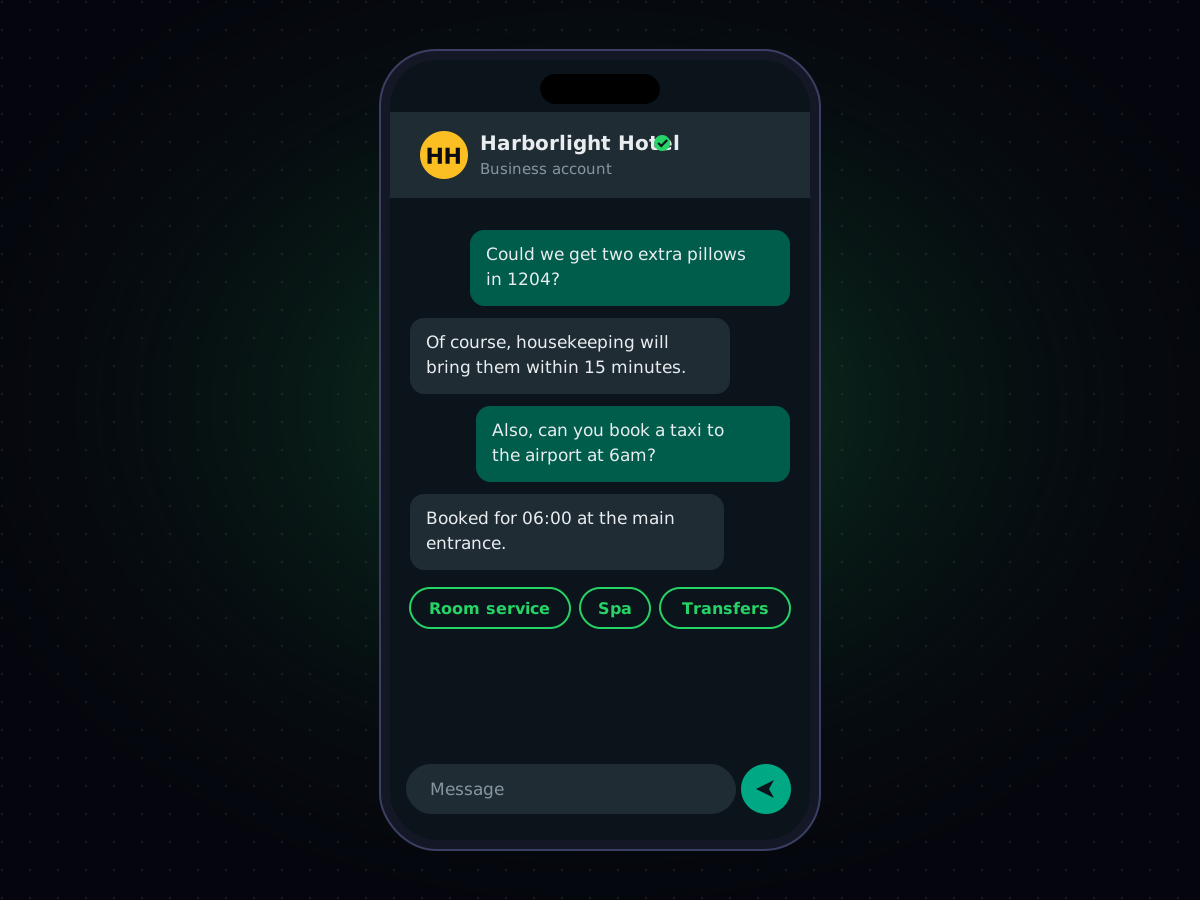
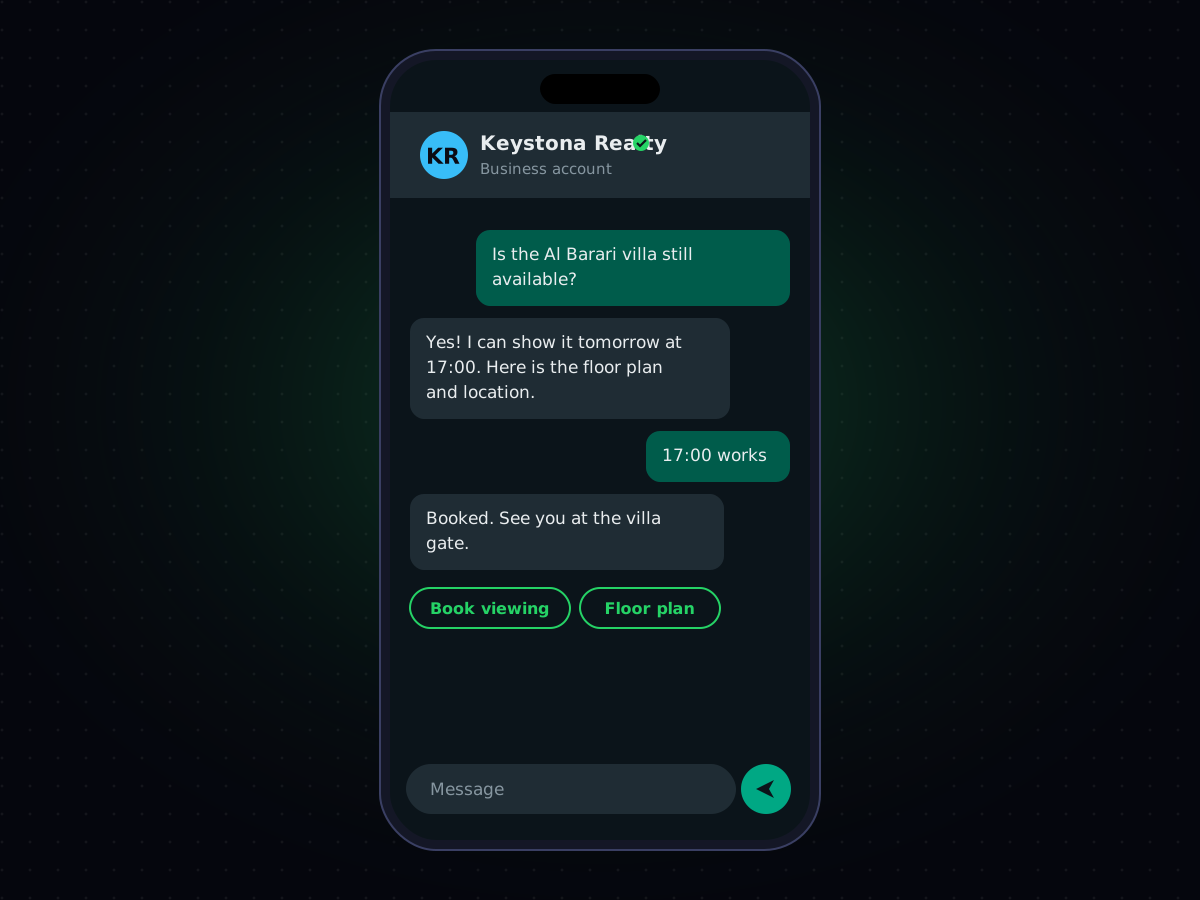
WhatsApp is built for two-way, ongoing conversation rather than one-off alerts. It's the natural fit for customer support threads, order questions, and anywhere a customer might want to reply and keep talking rather than just receive a notification. Our full breakdown is in What Is the WhatsApp Business API?, and if you're weighing it specifically against SMS, see SMS vs. WhatsApp.
RCS: SMS With Branding and Buttons
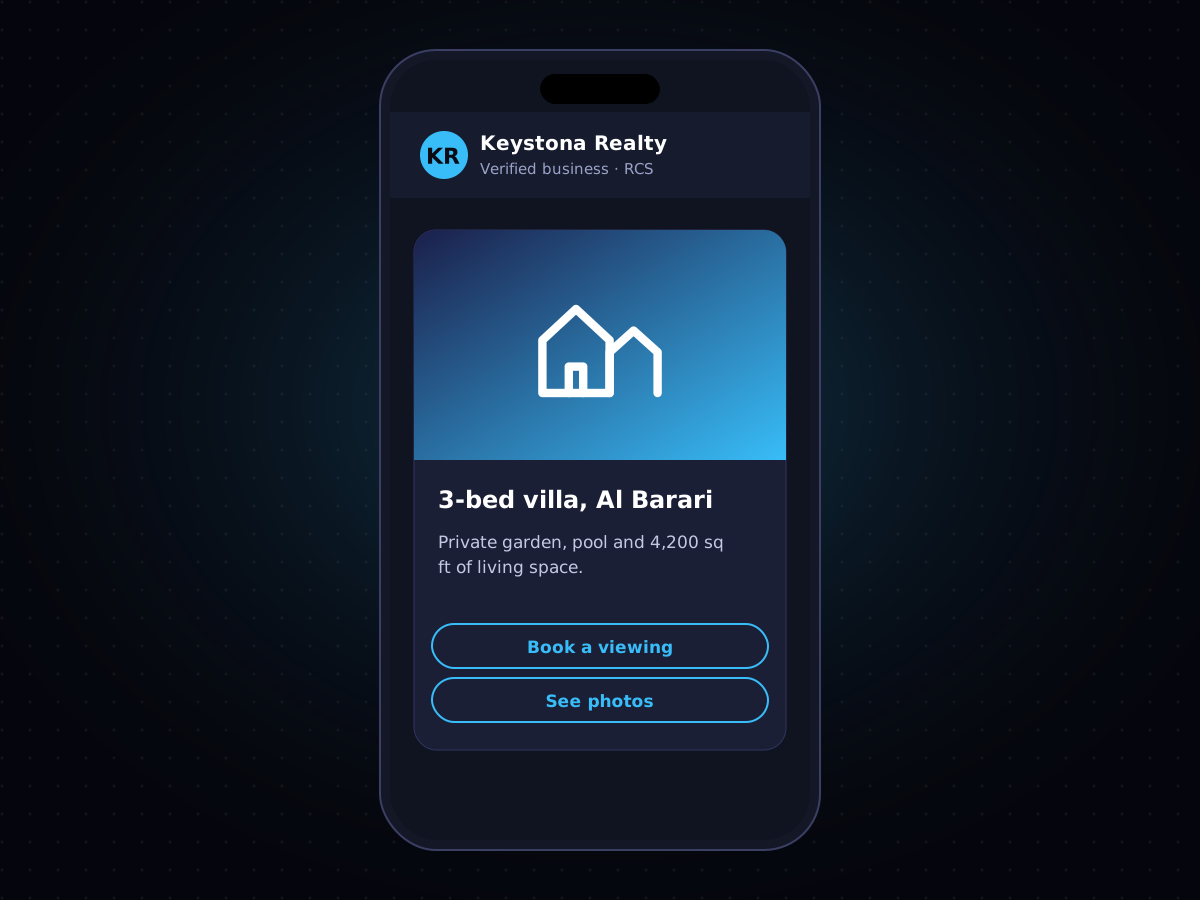
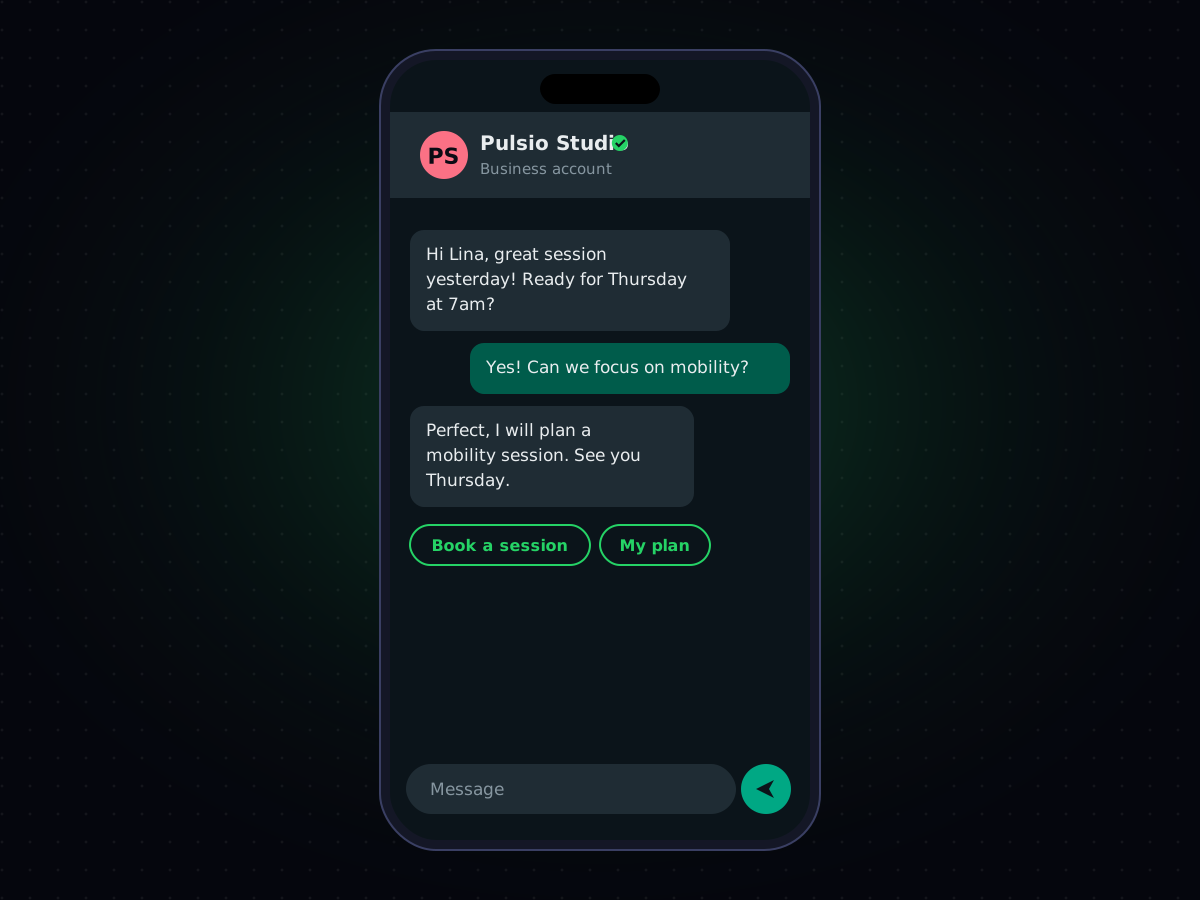
RCS occupies the middle ground: it looks and feels like a native text message — no app to open — but supports images, carousels, and tappable buttons, with a verified business name attached. Where it's supported, it gives SMS-level reach with WhatsApp-level richness. Where it isn't, messages fall back to plain SMS automatically. See What Is RCS Business Messaging? for the full explanation.
Email: The Detail Channel
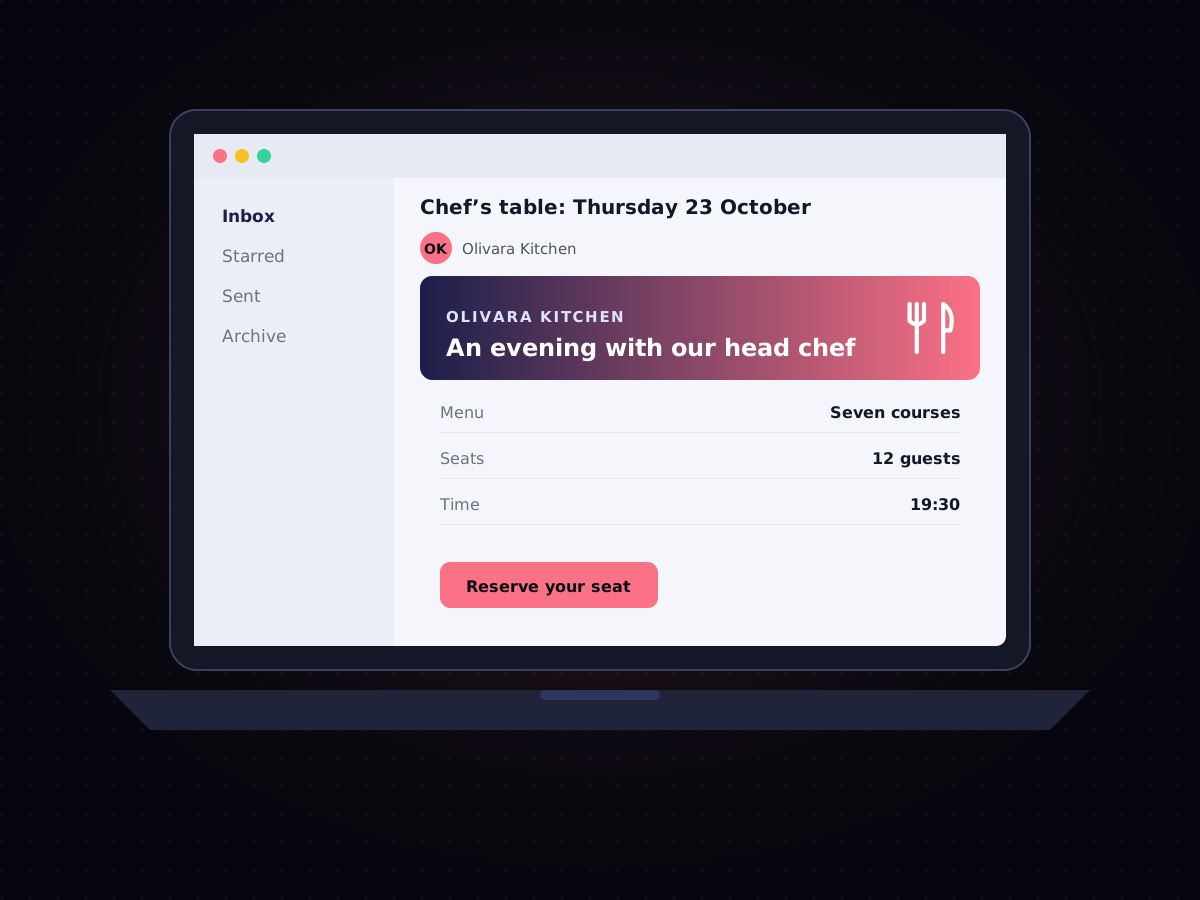
Email is still unmatched for anything that needs real length or structure — itemized receipts, contracts, detailed newsletters, anything a customer might want to search for and find again later. It's less immediate than the other three, but that's often exactly the point: nobody expects an email to be read within thirty seconds, which makes it the right channel for information rather than urgency. Our guide, What Is an Email API?, covers how transactional email delivery actually works.
How to Choose: A Practical Framework
Rather than picking a single "best" channel, match the message to what it needs:
- Must arrive no matter what? SMS — an OTP code or critical account alert.
- Expecting a reply or an ongoing back-and-forth? WhatsApp.
- Want to show a product, a carousel, or a tappable action, but still need SMS-level reach? RCS.
- Sending something detailed, formal, or reference material the customer will want to keep? Email.
In practice, the same customer journey often uses more than one: an SMS the moment an order ships, an email with the full itemized receipt, and a WhatsApp thread if they have a question about it. The channels complement each other rather than compete.
One Platform, Every Channel
The operational case for using several channels is strong, but only if it doesn't mean juggling four separate logins, four separate reports, and four separate integrations. That's the problem Cyberscape's platform solves: SMS, WhatsApp, RCS, and Email all run through one account, one API, and one set of delivery reporting, so switching channels for a given message is a configuration choice, not a new integration. See the full lineup on our Services page.