
An order confirmation email seems like the simplest possible message to get right — and yet it's one of the most common places e-commerce businesses lose customer trust, usually through problems that have nothing to do with the email's design.
Speed Is the First Requirement
A customer who just completed a purchase is watching for confirmation, often within the same minute. A delayed order confirmation email creates immediate doubt about whether the payment actually went through, which drives support inquiries and, worse, sometimes duplicate orders from customers who assume the first attempt failed. Transactional email needs to be treated as time-sensitive infrastructure, not a background batch job.
Deliverability: Getting Into the Inbox, Not the Spam Folder
An order confirmation that lands in spam is functionally the same as one that was never sent. This depends on proper email authentication (SPF, DKIM, and DMARC records correctly configured), a sending domain with a good reputation, and consistent sending patterns rather than sporadic bursts that look anomalous to spam filters. See What Is an Email API? for the deliverability fundamentals in more depth.
What a Good Order Confirmation Actually Includes
- Clear order details — itemized products, quantities, prices, and order number, easy to scan at a glance;
- Realistic delivery expectations — an estimated delivery window, not just "your order is on its way";
- A working support path — a direct way to ask a question about this specific order, not a generic contact page; and
- Consistent, recognizable branding — matching the storefront experience closely enough that the email obviously belongs to the brand the customer just purchased from.
Beyond the Confirmation: The Rest of the Order Lifecycle
Order confirmation is just the first of several transactional emails a purchase typically triggers — shipping notification, delivery confirmation, and potentially a return or refund update. Treating these as one coordinated sequence, rather than separately triggered one-offs, gives a more coherent experience and makes it easier to catch gaps, like a shipping notification that never fires because of an integration issue.
When Email Isn't Enough Alone
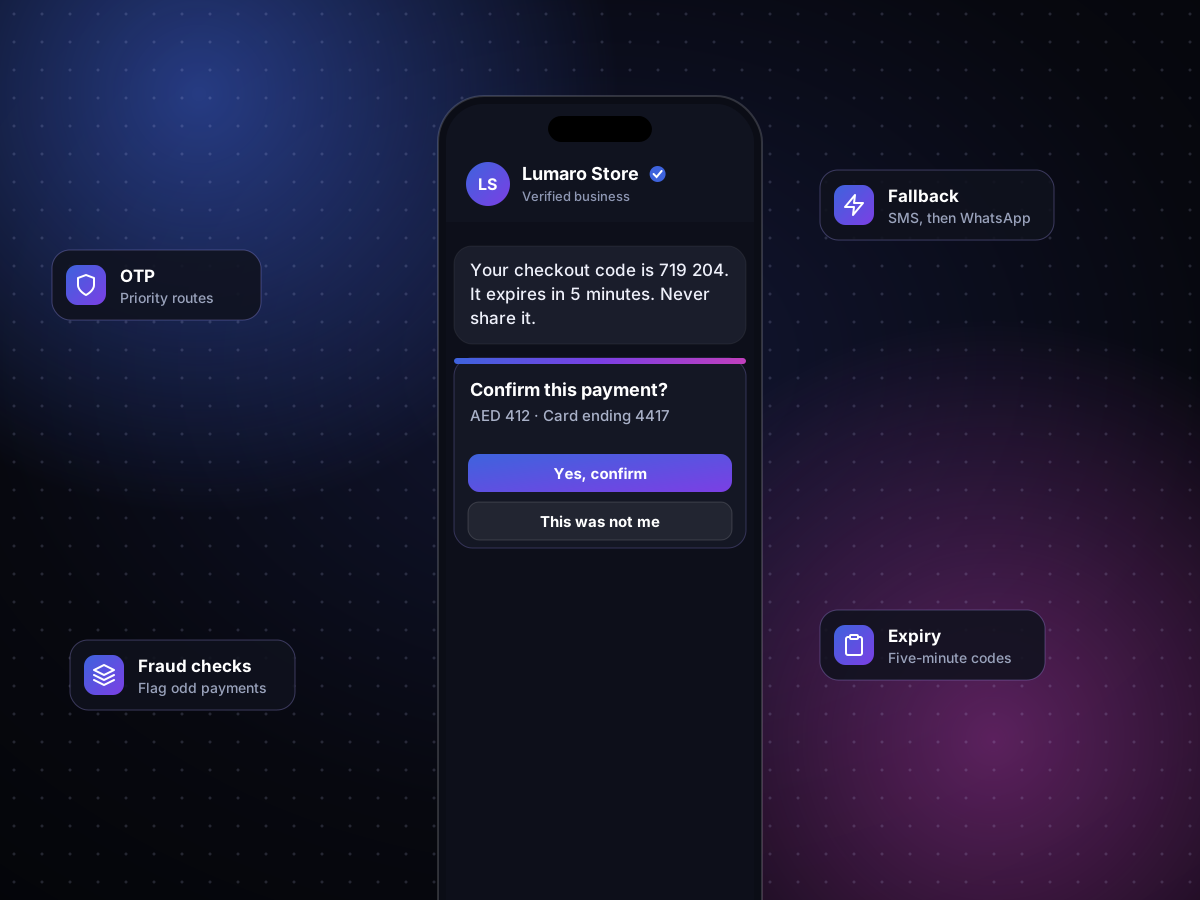
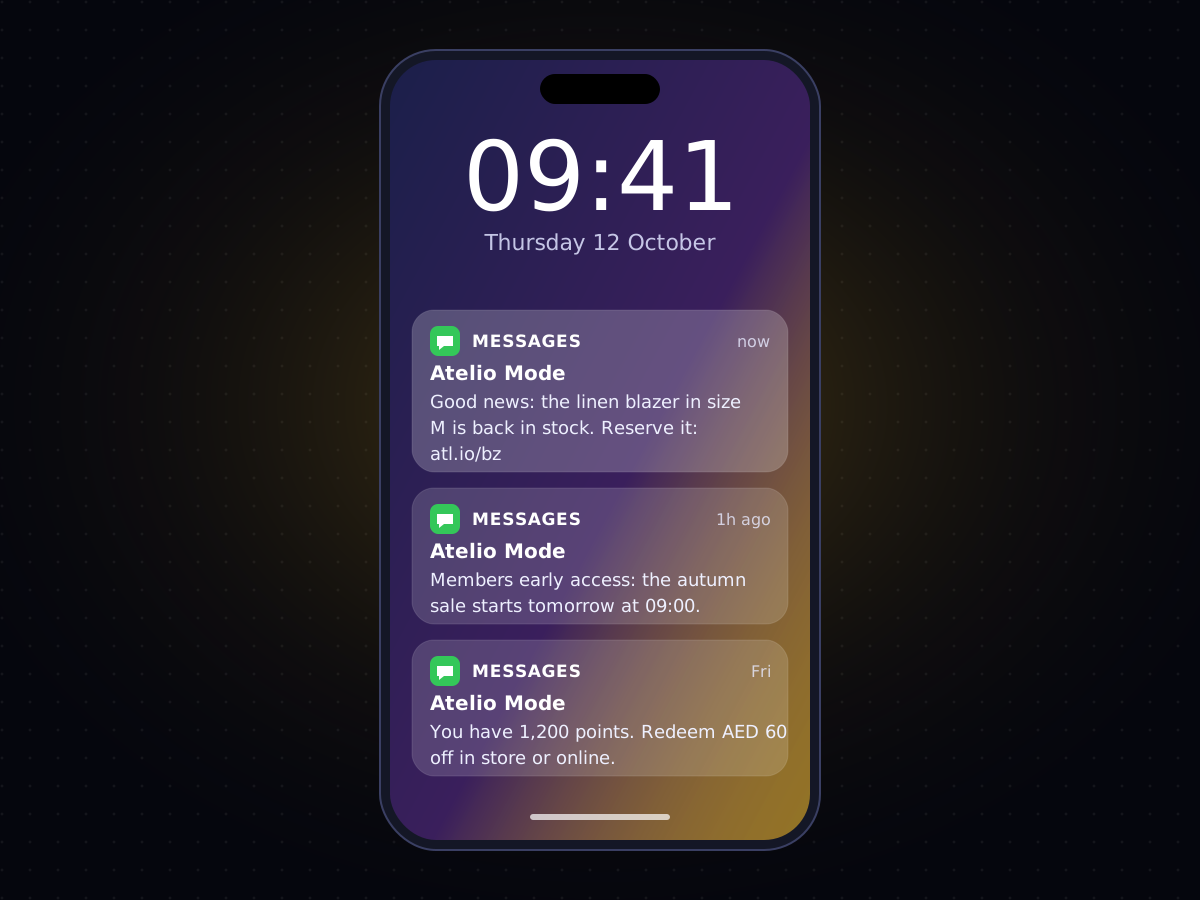
For genuinely time-critical moments — a delivery arriving in the next hour, a payment failure that needs immediate action — pairing the email with an SMS or WhatsApp notification covers the gap between "sent" and "actually seen," since email doesn't carry the same near-instant attention SMS and WhatsApp typically get.
Getting Started
Cyberscape's Email API integrates with our SMS, WhatsApp, and RCS channels, so an order lifecycle can move across all of them from one platform. See it on our Email API page, or explore our support for online retail on the E-Commerce industry page.