
SMS's biggest strength — it reaches almost any phone instantly — is also exactly what makes it attractive to spammers and fraudsters. Anti-Spam filtering is the infrastructure layer that keeps that abuse off a mobile network without slowing down the legitimate messages subscribers actually want.
What Is Anti-Spam Filtering?
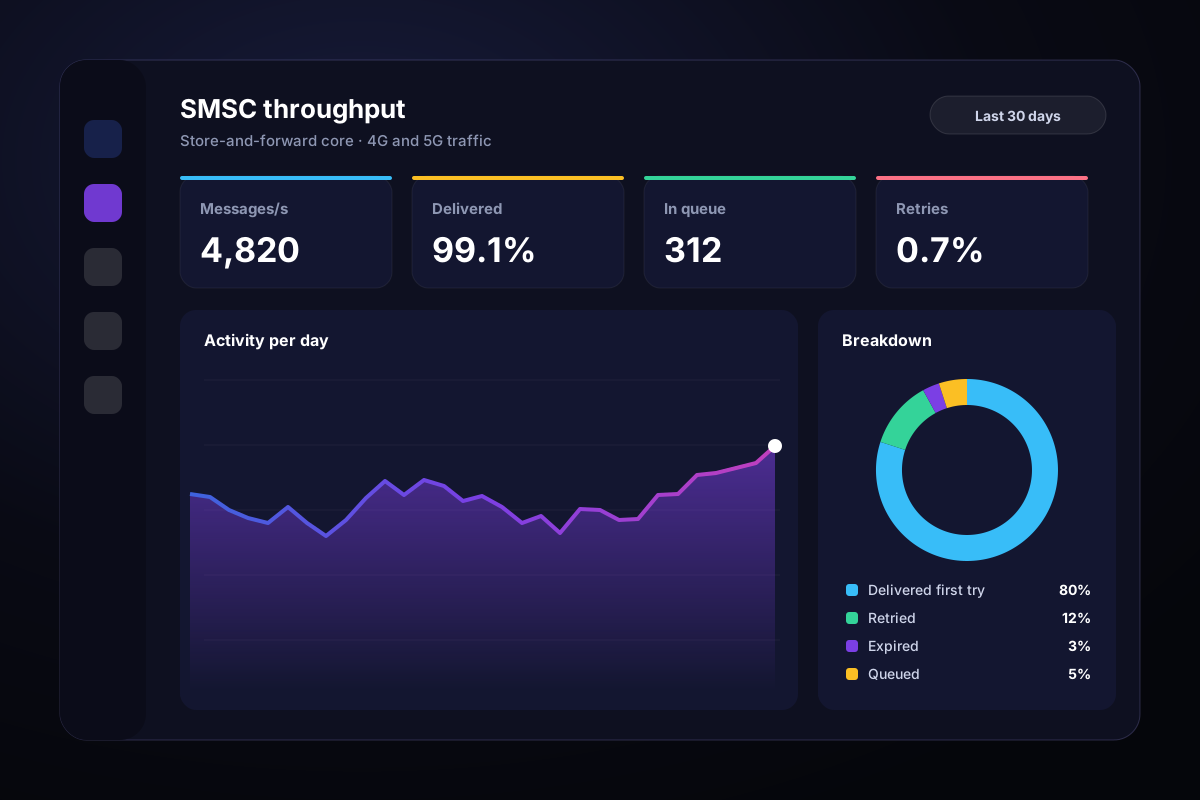
Anti-Spam, in the mobile network sense, is real-time content and pattern analysis applied to messaging traffic to detect and block unwanted or fraudulent SMS before it reaches subscribers — while letting legitimate application-to-person traffic, like OTPs and order confirmations, flow through without added delay. It sits inline with an operator's messaging infrastructure, scanning traffic as it moves rather than reviewing it after the fact.
What It's Actually Protecting Against
- Bulk spam — unsolicited promotional messages sent at volume, often through grey routes that bypass proper commercial agreements;
- Smishing — phishing conducted over SMS, typically impersonating a bank, delivery service, or government agency to steal credentials or payment details;
- Sender ID spoofing — messages faked to appear as though they're from a trusted brand or number; and
- Fraudulent traffic patterns — sudden spikes or anomalies that indicate compromised accounts or automated abuse rather than genuine subscriber-initiated activity.
How It Works Without Blocking Legitimate Messages
The hard part of Anti-Spam isn't blocking obvious spam — it's doing that without also blocking a bank's OTP or a delivery company's shipping update. Modern systems use adaptive rules and pattern analysis rather than simple keyword blocking, looking at sender behavior, message structure, and traffic patterns over time to tell the difference between a legitimate A2P messaging partner and an abusive one. This is also why Anti-Spam is typically paired with proper sender registration and route management, so trusted senders get a clear path while everything else gets scrutinized.
Anti-Spam vs. Signaling Firewall
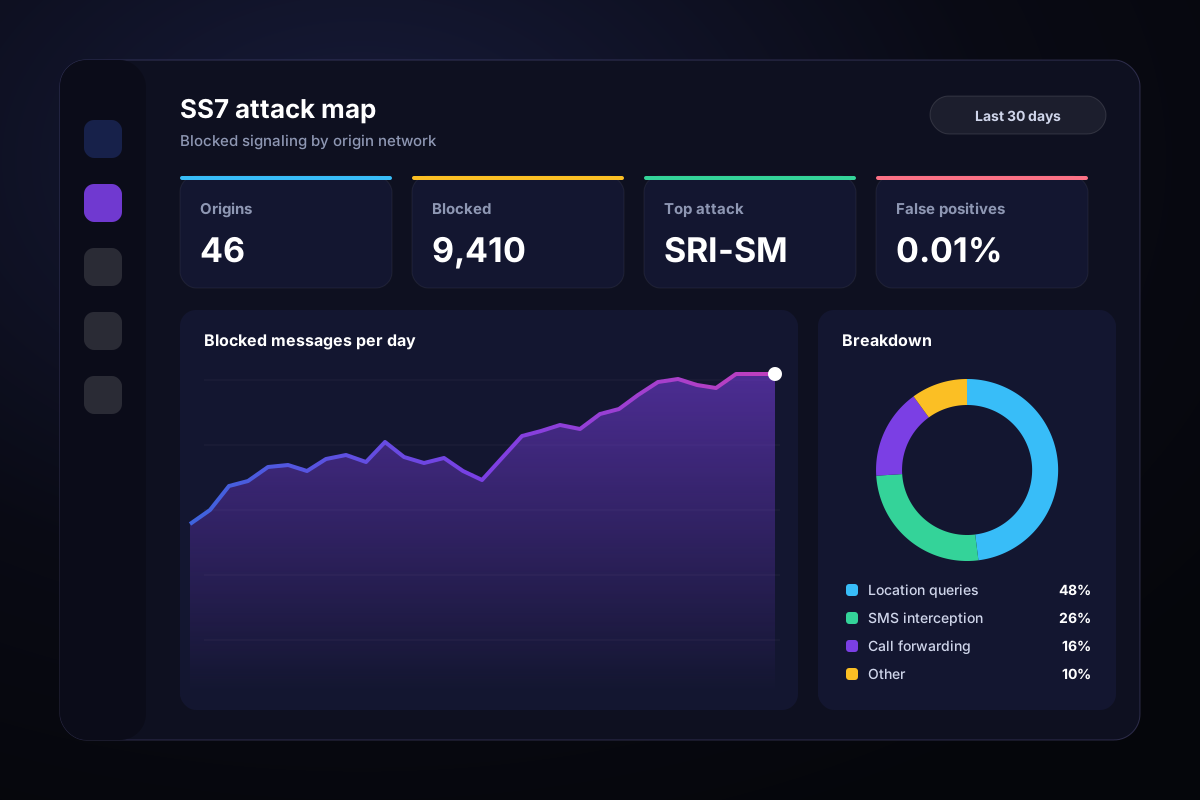
These two are often confused, but they protect different layers. Anti-Spam filters message content moving through the SMSC — it's about what's being sent. A Signaling Firewall protects the network's underlying signaling protocols (SS7 and Diameter) from being manipulated to intercept calls or track subscribers — it's about network-level trust between operators, not message content. Most operators run both, since they address entirely separate attack surfaces. See What Is a Signaling Firewall? for the network-layer side of this.
Why This Matters Beyond Security
Anti-Spam isn't only a defensive measure — subscriber trust in SMS as a channel depends on it. If a network is known for letting smishing through, subscribers become warier of every text they receive, including the legitimate ones from banks and businesses they actually deal with. Keeping spam volume low protects the entire SMS ecosystem's credibility, not just individual subscribers.
Getting Started
Cyberscape provides Anti-Spam filtering as part of our System Integration & VAS services, alongside SMSC, Signaling Firewall, and the full range of carrier-grade infrastructure operators depend on. See the complete lineup on our System Integration & VAS Solutions page.