
Not every subscriber who needs to make a call has airtime to pay for it. Call Collect exists for exactly that moment — letting the person receiving a call pay for it instead of the person placing it.
What Is Call Collect?
Call Collect (reverse-charge calling) is a network service that lets a caller place a call billed to the recipient rather than themselves. The recipient is typically prompted to accept the charge before the call connects, and once accepted, billing is applied to their account instead of the caller's.
Who Actually Uses It
- Subscribers with no airtime or balance — the most common use case, letting someone stay reachable even with a zero balance;
- Roaming subscribers — where outbound call costs can be prohibitively expensive, making a collect call to a home contact a far cheaper option;
- Emergency situations — where reaching someone matters more than who ends up paying for the call; and
- Prison and institutional calling systems — a long-standing, dedicated use case where the called party has traditionally borne the cost by design.
How It Works at the Network Level
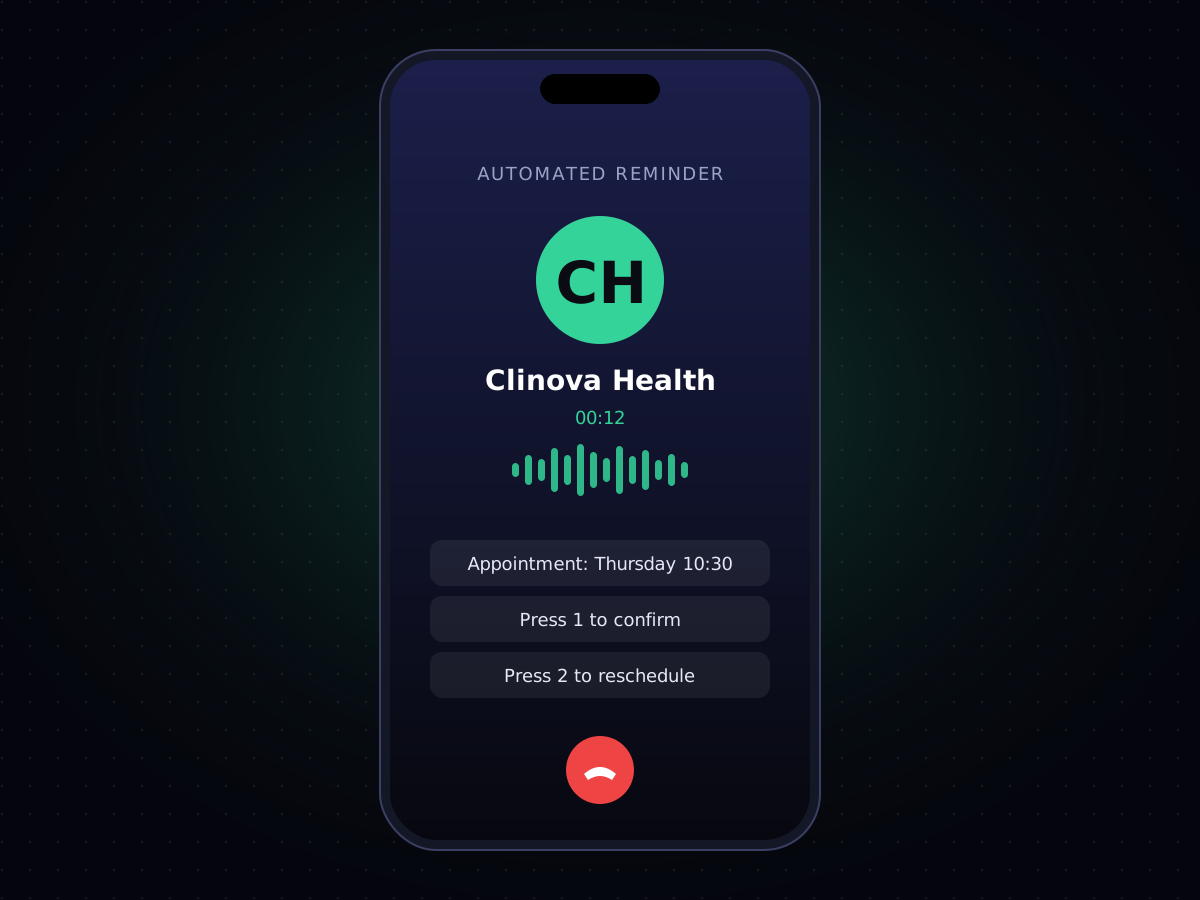
Call Collect requires the network to intercept a call attempt, recognize it as a collect-call request, and interact with the recipient — typically via an automated voice prompt — asking whether they'll accept the charge before the call is allowed to proceed. If accepted, billing routes to the recipient's account; if declined, the call simply doesn't connect. This requires tight integration between the network's billing systems and its call-signaling infrastructure, since the accept/decline decision has to happen before the call is put through, not after.
Why It Remains a Relevant VAS Offering
In markets where prepaid balances run out frequently and topping up isn't always immediately possible, Call Collect is a genuine safety net — the difference between a subscriber being reachable in an urgent moment and not. For operators, it's also a service with essentially no marginal infrastructure cost once deployed, since it reuses existing billing and signaling systems rather than requiring dedicated new hardware.
How Acceptance and Billing Work, and Where It Is Still Used
- Acceptance — an IVR prompt tells the recipient who is calling and asks them to accept, usually by keypad or voice, before the call connects;
- Billing — charges go to the receiving party, so the operator needs billing and credit checks for that party;
- Fraud considerations — abusive use, such as repeated calls to run up charges, needs limits and monitoring; and
- Current use — demand has fallen in many markets as messaging and call-me-back alternatives spread, but it can still help prepaid subscribers with no balance.
Our view: keep it as a safety net, and watch for abuse
Call collect isn’t a growth product. It is useful as a safety net for subscribers who run out of credit, and that is the case for keeping it available and simple.
The main operational risk is misuse, so we’d build limits and alerting in from the start.
Getting Started
Cyberscape provides Call Collect as part of our System Integration & VAS services, integrated with the same billing and signaling infrastructure that powers our broader carrier-grade platform. The System Integration & VAS Solutions page lists the complete portfolio.