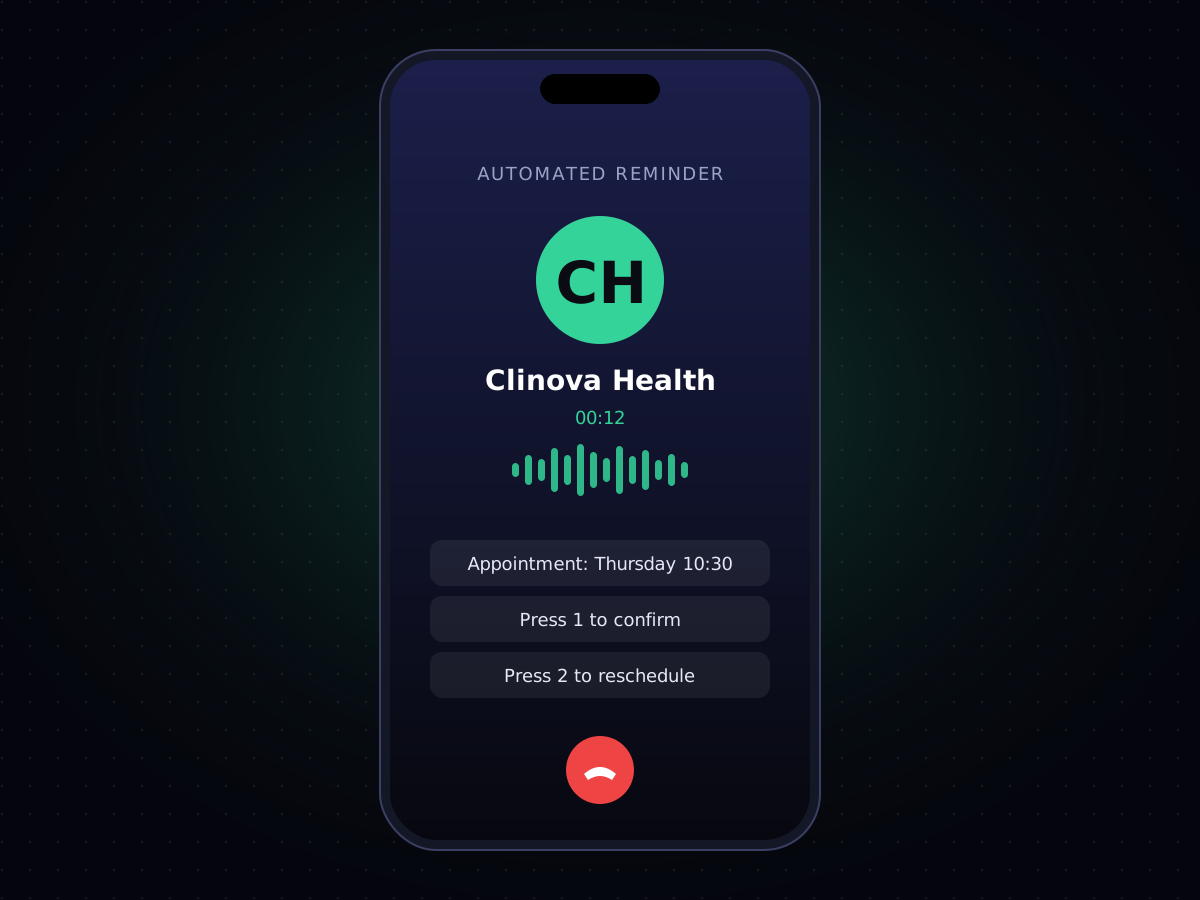

Not every notification fits neatly into a text message. When something genuinely needs a subscriber's immediate attention — a service outage, a payment reminder, an emergency alert — a phone call carries an urgency SMS sometimes can't match. That's the job an Outbound Dialer is built for.
What Is an Outbound Dialer (OBD)?
An Outbound Dialer is an automated voice calling system that dials through a list of subscriber numbers and plays a pre-recorded message via IVR (Interactive Voice Response) when the call connects. Rather than a human agent placing each call, the platform handles dialing, call detection, and message playback at volume, automatically.
What OBD Campaigns Are Used For
- Time-sensitive alerts — service outages, emergency notifications, or urgent account issues where a call is more likely to be noticed than a text;
- Payment and appointment reminders — particularly effective for audiences less likely to read SMS promptly;
- Large-scale voice campaigns — surveys, public announcements, or promotional messages delivered by voice rather than text; and
- Confirmation and verification calls — automated voice OTP delivery, as a fallback channel when SMS delivery is uncertain.
How OBD Differs From a Call Center
The entire point of an Outbound Dialer is scale without proportional headcount: a single campaign can reach tens of thousands of numbers in a fraction of the time a human calling team would need, at a fraction of the cost. It's not a replacement for a call center handling complex, two-way conversations — it's built specifically for one-directional, message-delivery campaigns where the goal is simply making sure information reaches the recipient reliably.
What Makes an OBD Platform Reliable
The technical challenges sit in the details: correctly detecting whether a call was answered by a person or a voicemail system (and adjusting message delivery accordingly), managing call pacing so a campaign doesn't overwhelm network capacity, and retry logic for numbers that don't connect on the first attempt. Getting these wrong means either an unreliable campaign or, at worst, the platform being flagged as a nuisance-call source — which is why OBD is typically deployed as carrier-grade infrastructure rather than a lightweight calling app.
Telecom OBD vs Contact-Centre Dialers
- Contact-centre dialers — preview, progressive, power and predictive modes connect answered calls to live agents;
- Telecom OBD — plays voice notifications or IVR flows to subscribers with no agent, such as service alerts, top-up reminders and surveys, and records keypad responses;
- Scale and scheduling — control calls per second, retry unanswered numbers and schedule within permitted hours; and
- Compliance — honour consent, do-not-call lists and local calling-hour rules, and identify the caller.
Our view: a call is for what an SMS can’t do
Voice campaigns interrupt people more than texts do. We’d use them where voice is the right medium, such as reaching someone without a data connection, speaking a local language to people who read less comfortably, or when an alert is urgent.
For routine reminders, SMS is cheaper and less intrusive.
Getting Started
Cyberscape provides Outbound Dialer infrastructure as part of our System Integration & VAS services, built for reliable, large-scale voice notification campaigns alongside our messaging and signaling platforms. Browse the rest of the operator portfolio on our System Integration & VAS Solutions page.