

A well-designed technical plan and a successfully running system are two different things, separated by the part of a project that tends to get the least attention in advance and cause the most problems in practice: implementation.
What Does Telecom Implementation Actually Involve?
Implementation is the work of turning an approved design into a functioning, integrated system — deployment, migration, upgrade, configuration, and testing, carried out in a way that fits how a business or network actually operates, not just how the architecture diagram says it should. It's the execution layer that sits between consulting and a live, working solution.
Why Implementation Is Where Projects Actually Succeed or Fail
A strategy document can be technically correct and still lead to a failed rollout if implementation doesn't account for the messy realities of an existing environment: legacy systems that need to keep running during a transition, staff who need to be trained on new workflows, and edge cases that only show up once real traffic hits the new system. Good implementation planning anticipates this; poor implementation treats the design document as the finish line rather than the starting point.
What Good Implementation Looks Like
- Fit/gap analysis — identifying exactly where a new system's default behavior diverges from what the business actually needs, before deployment rather than after;
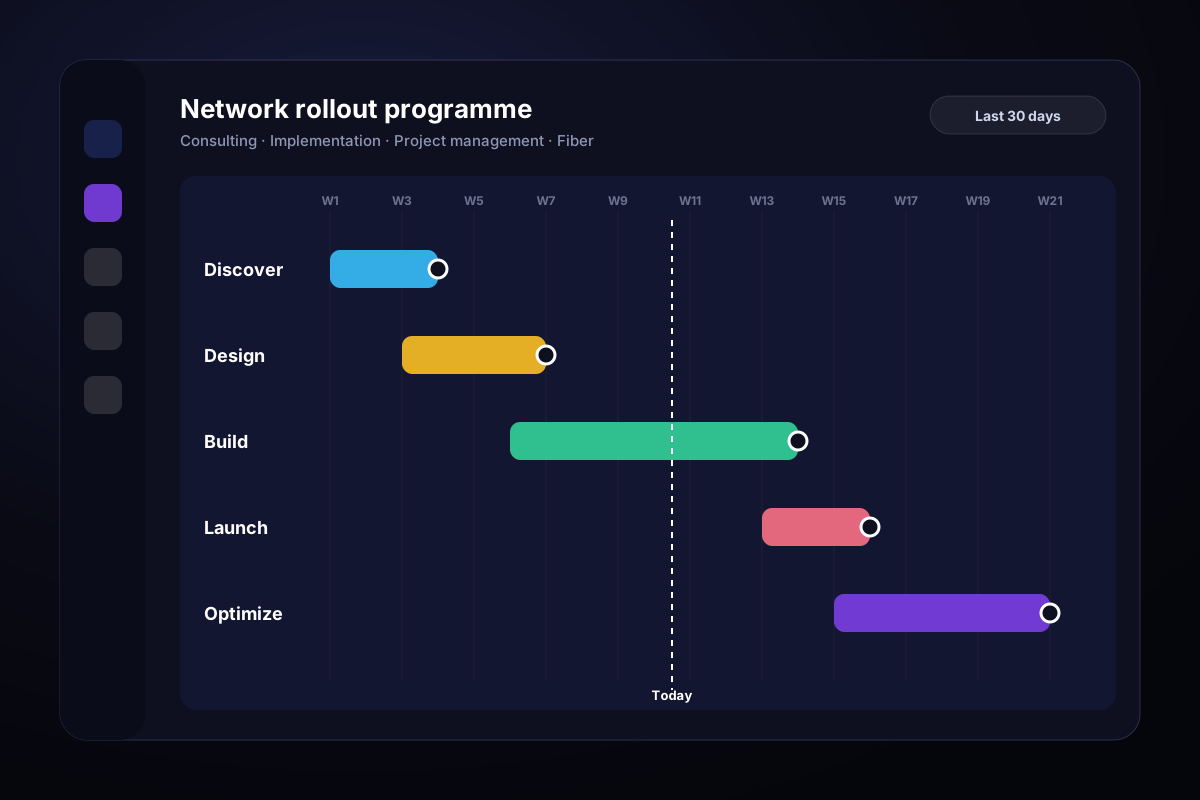
- Phased migration — moving to a new platform or configuration in stages that minimize risk, rather than an all-at-once cutover with no fallback;
- Configuration built around real workflows — tailoring the system to how people in the organization actually work, not forcing a generic default onto every team; and
- Testing that reflects production conditions — validating against realistic traffic and usage patterns, not just a clean lab environment.
Implementation as Part of a Larger Engagement
Implementation rarely stands alone — it follows the needs analysis and solution architecture that come out of a consulting engagement (see How to Choose the Right Telecom Consulting Partner), and it typically runs under the same project management discipline that keeps a rollout on schedule and on budget. Treating strategy, implementation, and project management as one continuous engagement, rather than three separate handoffs, is usually what determines whether a project's original business case actually gets realized.
Getting Started
Cyberscape's Implementation Services cover deployment, migration, upgrade, and optimization for messaging platforms and network infrastructure alike — carrying a plan through to a fully working system rather than stopping at the recommendation. See our full approach on the Professional Services page.