
A school or university communicates with two very different audiences at once — students who want a quick, immediate nudge, and parents or administrators who often need the fuller written record. Getting that split right is usually a two-channel problem, not a one-channel one.
Why Education Needs Both Channels
SMS and email solve different problems in an educational setting. SMS reaches students instantly for anything time-sensitive — a class cancellation, an emergency closure, a deadline reminder — without requiring them to check an inbox they may not open for hours. Email carries the detail SMS can't: full assignment instructions, enrollment documents, financial aid information, and anything a student or parent needs to reference again later.
Where SMS Does the Heavy Lifting
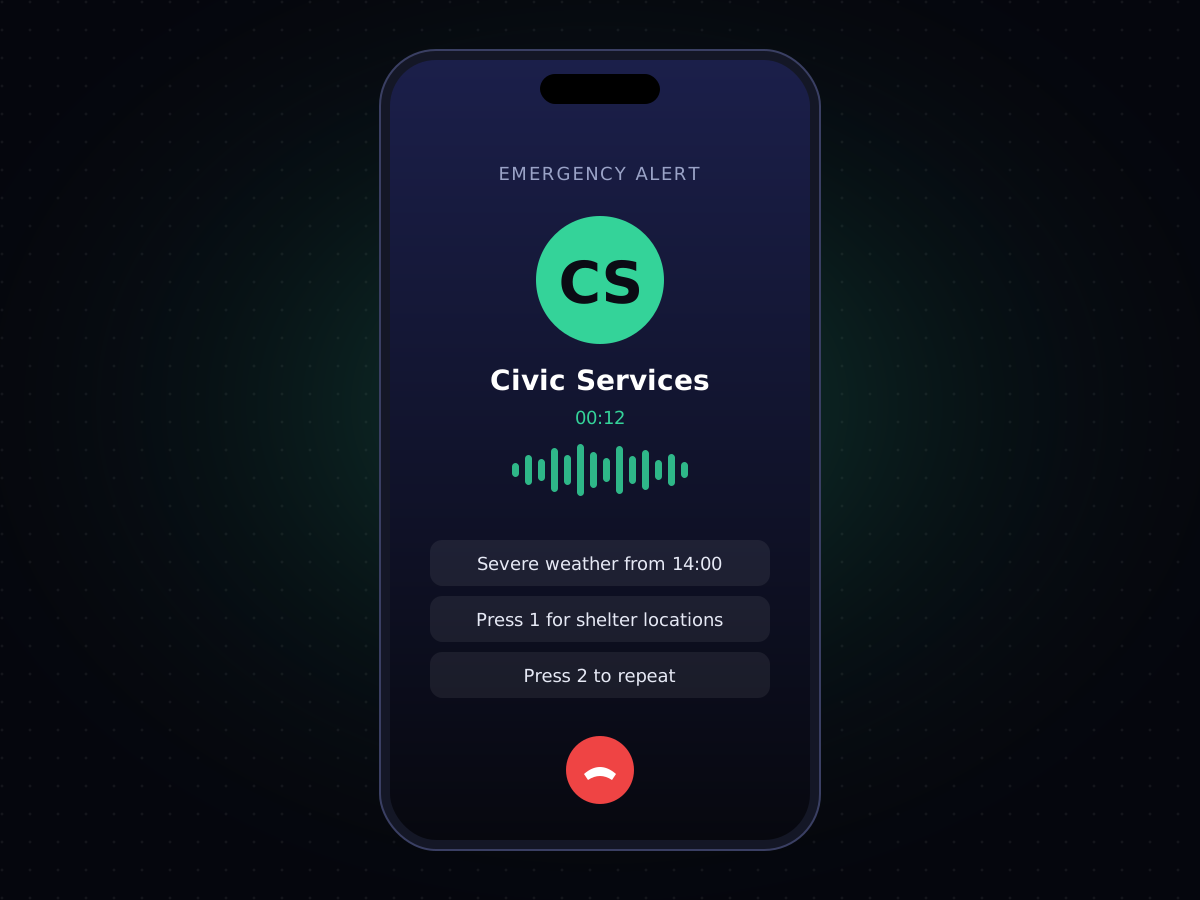
- Emergency and closure alerts — weather closures, campus safety notifications, anything requiring immediate awareness;
- Attendance and deadline reminders — a same-day nudge that a form or payment is due, when timing matters more than detail; and
- Enrollment and registration windows opening — a quick heads-up that action is needed, directing students to check email or a portal for the specifics.
Where Email Does the Heavy Lifting
- Detailed academic communication — assignment instructions, syllabus updates, and anything requiring more than a line or two;
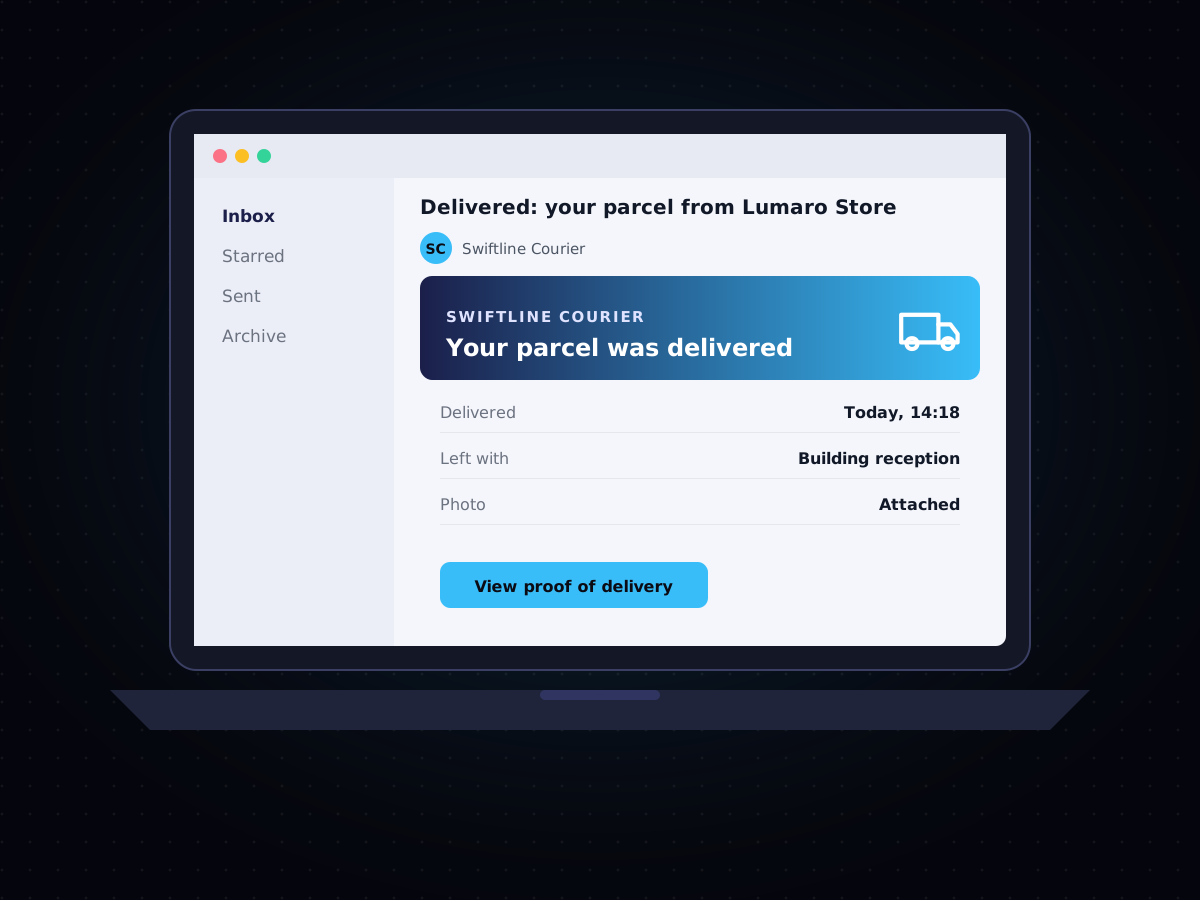
- Official and financial documents — enrollment confirmations, financial aid statements, and records a student or parent will want to keep; and
- Parent and administrator communication — audiences who may prefer or require a fuller written record over a brief text.
The Coordination That Makes This Work
The two channels work best as a coordinated sequence rather than independent, disconnected systems: an SMS alert that a decision letter or grade is posted, with the actual detail delivered by email. Institutions running these as separate, uncoordinated systems often end up with inconsistent messaging — an SMS reminder about a deadline that's already passed according to a separate email system, for instance — which is avoidable with a unified platform managing both.
Urgency Tiers, Consent and Language
- Urgency tiers — emergencies and same-day changes go by SMS (and any other urgent channel); routine news and documents go by email;
- Consent and contact details — record who is allowed to receive messages about each student, keep numbers up to date, and check local rules on contacting minors and their families;
- Language — send in the language a family reads best, and keep texts short and plain; and
- Don’t overuse the urgent channel — if every notice is a text, families stop reading them.
Our view: reserve the text message for what can’t wait
The value of an SMS from a school is that parents know it matters. Each routine notice that goes by text weakens that signal.
We’d have the school agree a short list of what counts as urgent and stick to it, with email and apps carrying everything else.
Getting Started
Cyberscape's platform runs SMS and Email API together with unified delivery reporting, suited to the two-audience, two-urgency-level communication education institutions manage daily. See the full lineup on our Services page, or explore our support for the sector on the Education industry page.