
SMS compliance isn't one rulebook — it's a patchwork of laws that vary by country, and getting it wrong carries real financial exposure, not just a warning letter. Here's the landscape any business sending bulk SMS needs to understand, in plain terms.
Why This Matters More Than It Might Seem
Unlike email spam, where enforcement is often complaint-driven and slow, SMS regulations in several major markets carry statutory damages that apply per message — meaning a single non-compliant campaign sent to a large list can create liability that scales directly with how many people you texted. This is a genuine business risk, not a theoretical compliance checkbox.
United States: TCPA
The Telephone Consumer Protection Act governs SMS marketing in the US and generally requires prior express written consent before sending marketing texts, clear identification of the sender, and an easy way to opt out. TCPA violations carry statutory damages per message, which is why US-bound SMS marketing campaigns need documented, verifiable consent — not just an assumption that someone who gave you their number once is fine to text indefinitely.
European Union: GDPR and ePrivacy
In the EU, SMS marketing consent falls under both GDPR's general data protection principles and the ePrivacy Directive's specific rules on electronic marketing, which generally require opt-in consent before sending marketing messages, clear information about how a recipient's data will be used, and a straightforward way to withdraw consent at any time.
The Common Thread Across Jurisdictions
- Consent should be documented — being able to show when and how someone opted in matters if a complaint or audit ever happens;
- Opt-out has to actually work — a "STOP" keyword or equivalent that's honored immediately, not eventually;
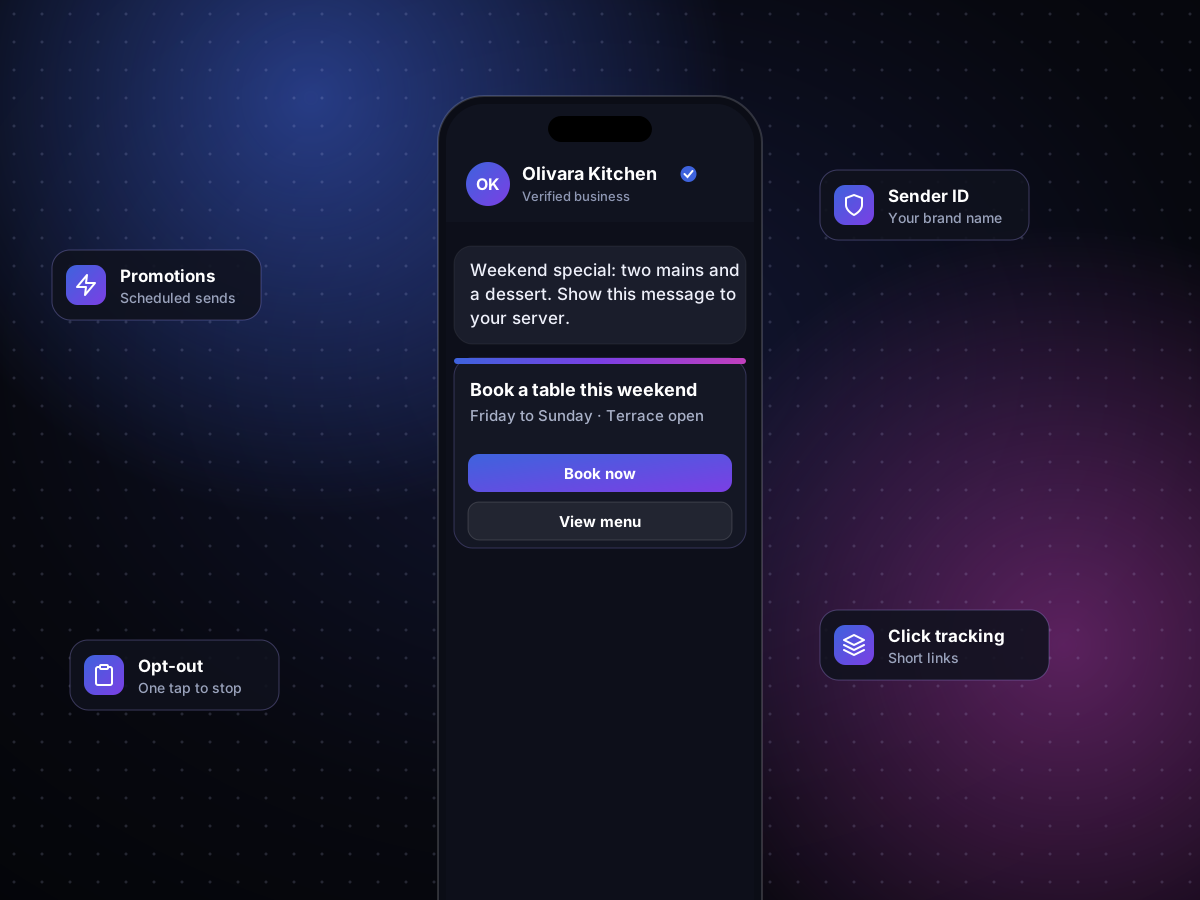
- Sender identification should be clear — recipients should be able to tell who's messaging them; and
- Consent for one purpose doesn't cover every purpose — someone who opted into order updates hasn't necessarily opted into marketing.
Whose Responsibility Is Compliance?
This is worth stating plainly: as the business sending the messages, compliance obligations sit with you, not your messaging provider. A platform gives you the infrastructure to send SMS reliably; it's the sender's responsibility to ensure recipients have actually consented under the laws that apply to them. This is standard across the industry and worth building into how you collect and manage opt-ins from day one, rather than treating it as an afterthought.
Getting Started
Cyberscape's platform includes opt-out handling and delivery reporting to support compliant SMS campaigns across the countries we serve. See our Terms and Conditions for the compliance obligations that apply to using our Services, and reach out through our Contact page with questions specific to your use case.