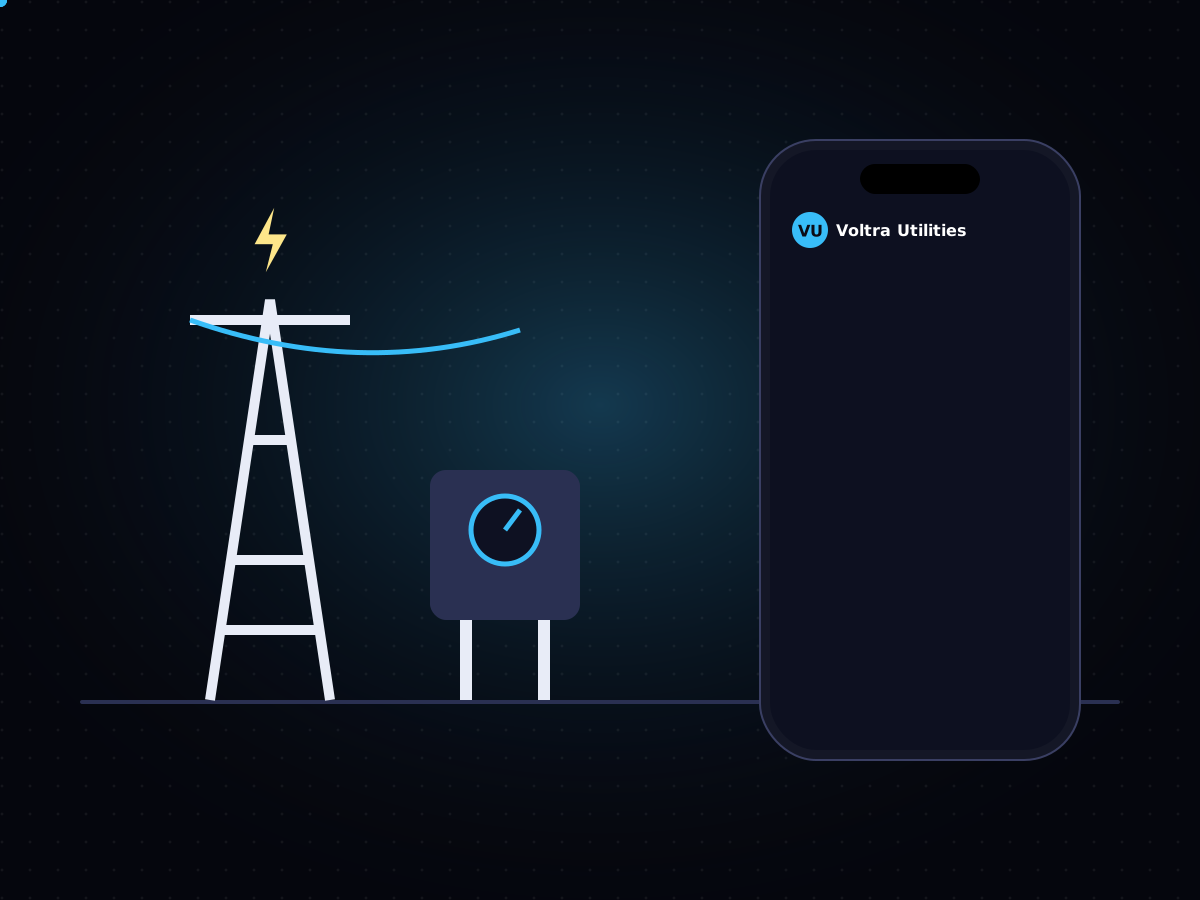
When the power goes out, a customer wants exactly one thing from their utility provider: to know what's happening and when it'll be fixed. That single use case — outage communication — is often what determines whether a utility's messaging strategy actually works, and it's why SMS and WhatsApp both play a role.
Why Outage Communication Is the Core Use Case
Utility communication spans routine billing and account updates, but outage notifications are where reliability matters most — customers without power may also be without reliable internet or app access, making SMS's universal, low-bandwidth reach the essential channel for this specific scenario, regardless of what else a utility uses day to day.
Where SMS Handles the Critical Moments
- Outage alerts and restoration updates — immediate notification when service is disrupted, with estimated restoration times as they become available;
- Planned maintenance notices — advance warning of scheduled service interruptions; and
- Payment and shutoff warnings — time-sensitive billing alerts where a customer needs to act quickly to avoid service interruption.
Where WhatsApp Adds Ongoing Value
- Detailed billing conversations — questions about a bill or usage pattern, answered through genuine two-way conversation rather than a call center queue;
- Service request tracking — new connection requests or meter issues, with status updates delivered through an ongoing thread; and
- Usage and efficiency tips — richer content around conservation or efficiency programs, sent through a channel customers are more likely to actually read.
Why Reliability Is Non-Negotiable Here
Utilities occupy a unique position: the service itself is essential infrastructure, and communication about it needs to meet the same reliability bar. A delayed outage notification or a billing alert that never arrives isn't just a poor customer experience — for vulnerable customers particularly, it can have real consequences. This is why utility messaging platforms need the same carrier-grade reliability as the infrastructure they're communicating about.
Outage Reporting, Bills on WhatsApp, and Peak Load
- Outage reporting — let customers text a keyword or reply to report a fault, and match replies to their account, so one report can trigger updates for the whole affected area;
- Billing on WhatsApp — send bill notifications and copies and answer common questions in a conversation, with opt-in and templates in place;
- Peak load — storms create sudden surges of alerts and replies, so confirm in advance that your provider can handle the throughput and queue messages in priority order; and
- Update cadence — give a first notice quickly, then updates at stated intervals, even if there is no change.
Our view: tell customers when the next update will come
During an outage, the most frustrating message is silence. We’d have utilities commit to an update interval, even “no change, next update at 18:00”, because it reduces calls to the contact centre.
Behind the scenes, test throughput before storm season, not during it.
Getting Started
Cyberscape supports both SMS and WhatsApp Business API on one platform, built for the reliability utility communication demands, from outage alerts to ongoing billing conversations. Explore our approach for the sector on the Utilities industry page.